Interview by Giulia Del Gobbo
All Images © Xaver Könneker
Xaver Könneker is a visual artist, educator, and researcher who merges cultural theory with a lens-based artistic practice. His work explores themes such as mortality, identity, and popular culture. He is fascinated by unforeseen intersections, contradictions, and tensions between seemingly disconnected historical and cultural phenomena. Xaver Könneker is a former theory lecturer at the Royal Academy of Art, The Hague (The Netherlands), and earned his master’s degree in Photography and Society from the same academy in 2022. He is currently living and teaching in Manila, Philippines.
Giulia Del Gobbo (GDG): Hello Xaver, thank you for your time. Your project Kodak Knows No Dark Days was for me quite a unique encounter and made me realize how photography can actually go beyond itself, as it intertwines smiling, forensic odontology and identity. How did you have the sharp intuition of the interdisciplinarity of photography and how did you start such layered visual research?
Xaver Könneker (XK): The project started in an unusual way that is quite reflective of my research process, which finds intrigue in connections between things that at first glance seem completely unrelated.
During my Master in Photography & Society at KABK, I was assigned to make a project around the notion of “missing” in collaboration with the International Commission of Missing Persons. When brainstorming potential artistic approaches to the concept of missing, I thought about who is missing and, importantly, who is not being missed. I realized that being missed is inherently relational: it presupposes a social bond strong enough for someone to recognize your absence. I was struck by a childhood memory. My dad was at the dinner table reading an article about a man found dead in his Rotterdam apartment after two and a half years. I remember thinking, “How did nobody notice his absence earlier?”. This memory led me to research lonely deaths, a disturbing phenomenon in the era of capitalist modernity where people die alone in isolation and their bodies remain undiscovered for extended periods of time.
During this research, I came across an archived newspaper article about a woman who was found dead in her London council estate apartment after lying there for three years. The details were bone-chilling, but one line in the article really caught my attention: “The dead woman’s body was so badly decomposed, it could only be identified by comparing dental records with an old holiday photograph of her smiling.”
I was stunned by how the sentence positioned joy and sorrow in such unsettling proximity, and I became particularly interested in the role of photograph in this context. It was that single line in the newspaper article that marked the beginning of my project Kodak Knows No Dark Days, and led me to discover an uncanny relationship between the history of Kodak, smiling and the forensic identification of deceased bodies.
(GDG): The field of forensic odontology is usually bound by protocols, precision and evidence. How did you bridge and translate this scientific aspect into your artistic language, which enables us to navigate memory, intimacy, and the politics of identification?
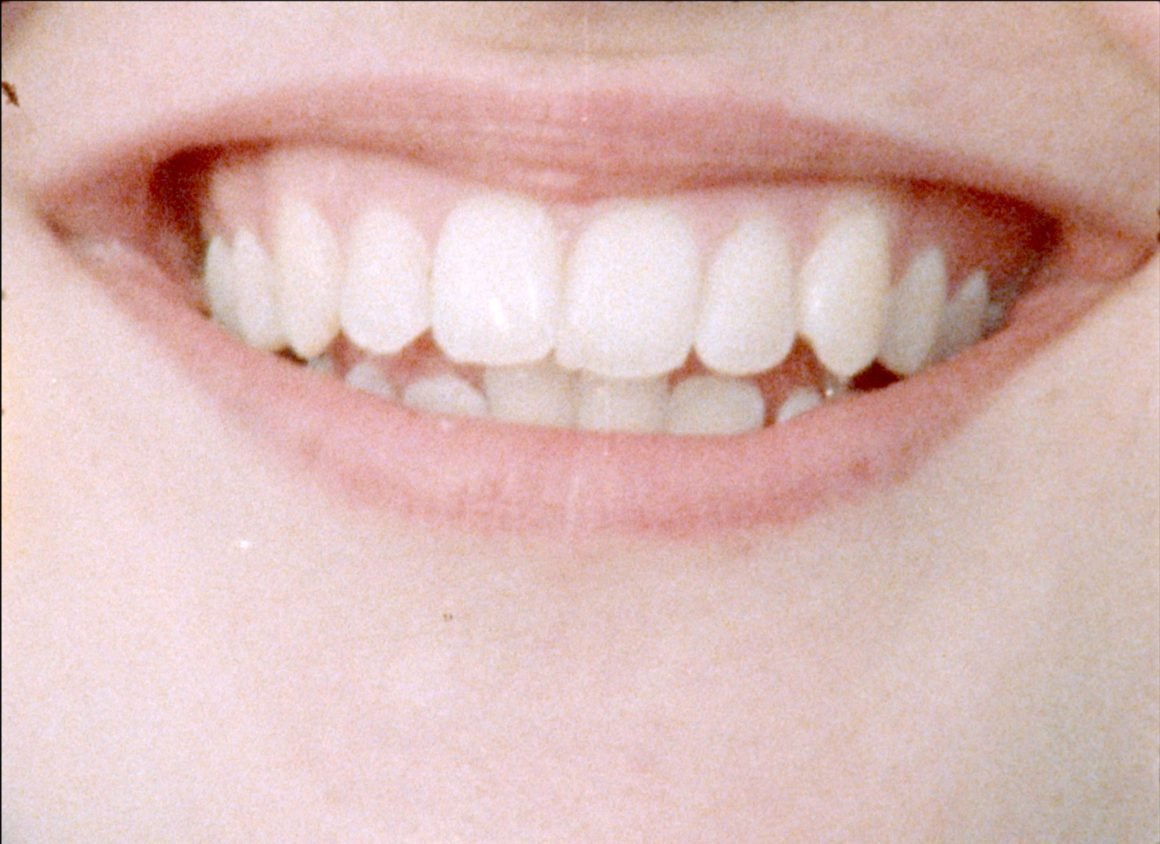
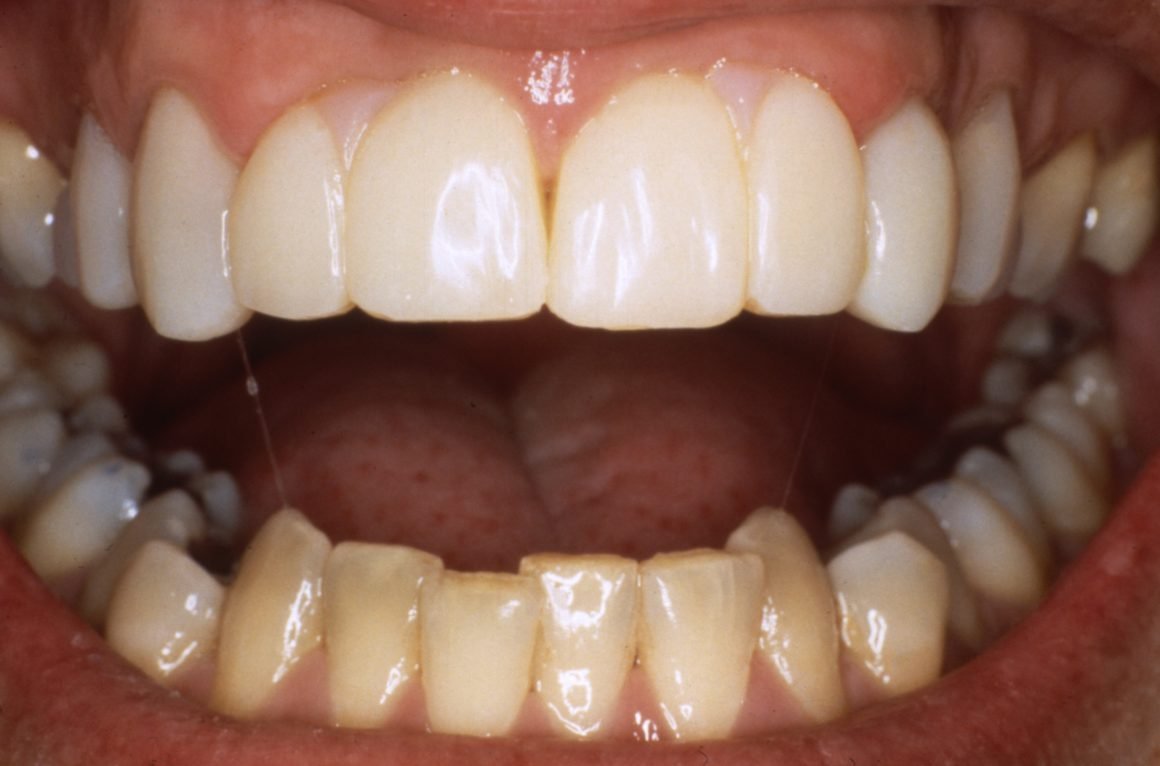
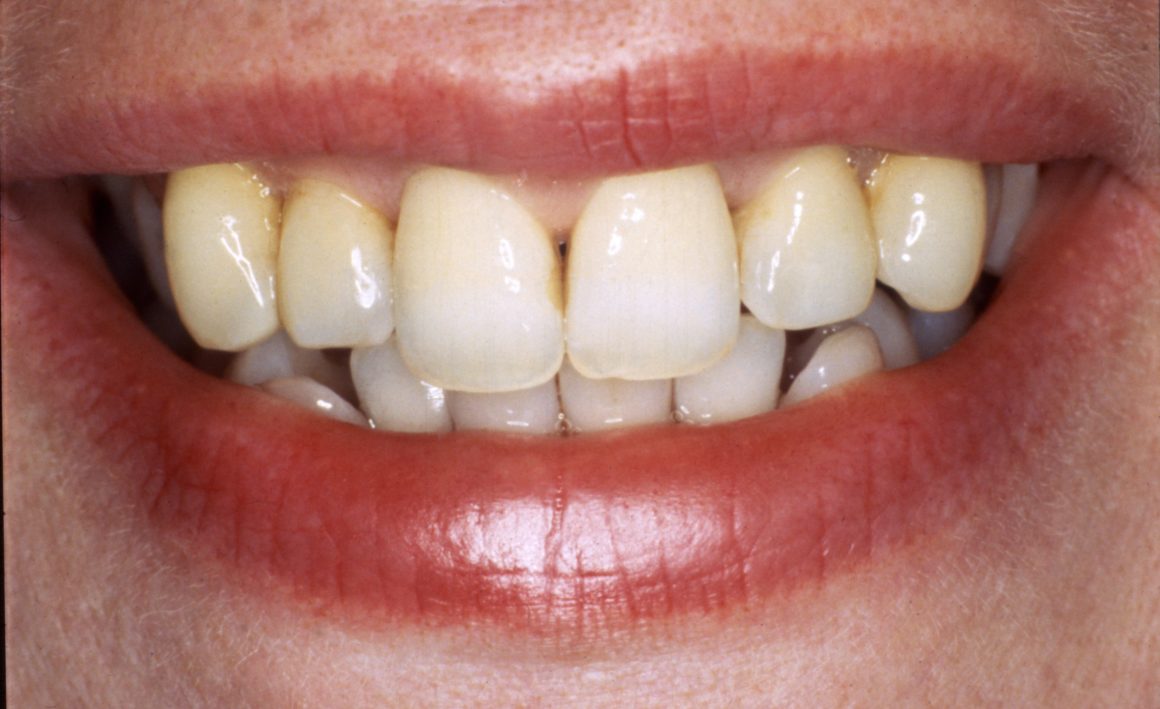
(XK): As you mentioned, my project Kodak Knows No Dark Days takes a closer look at forensic odontology, the branch of forensic science that uses dental information to identify deceased bodies. What fascinated me in particular was how smile photographs, images intended to capture joy and intimacy, can become crucial tools in this process of identifying people who passed away in really tragic circumstances.
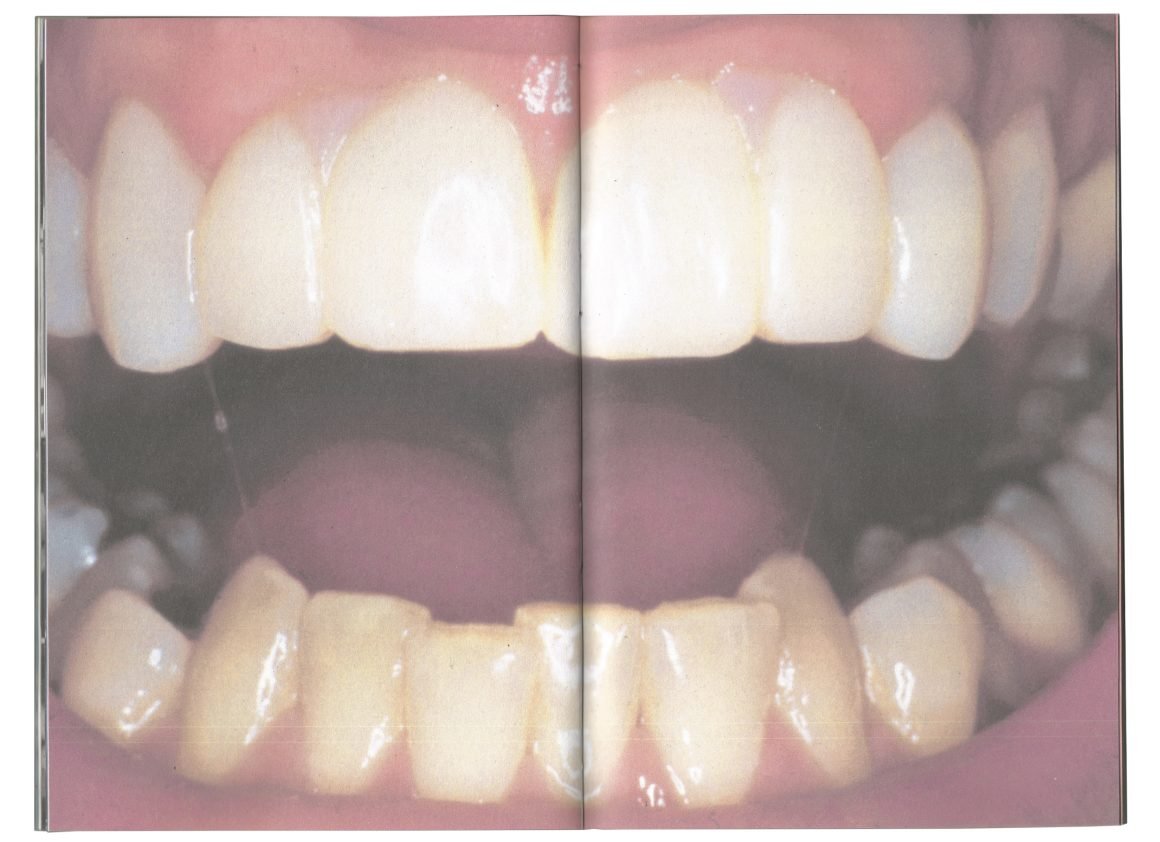
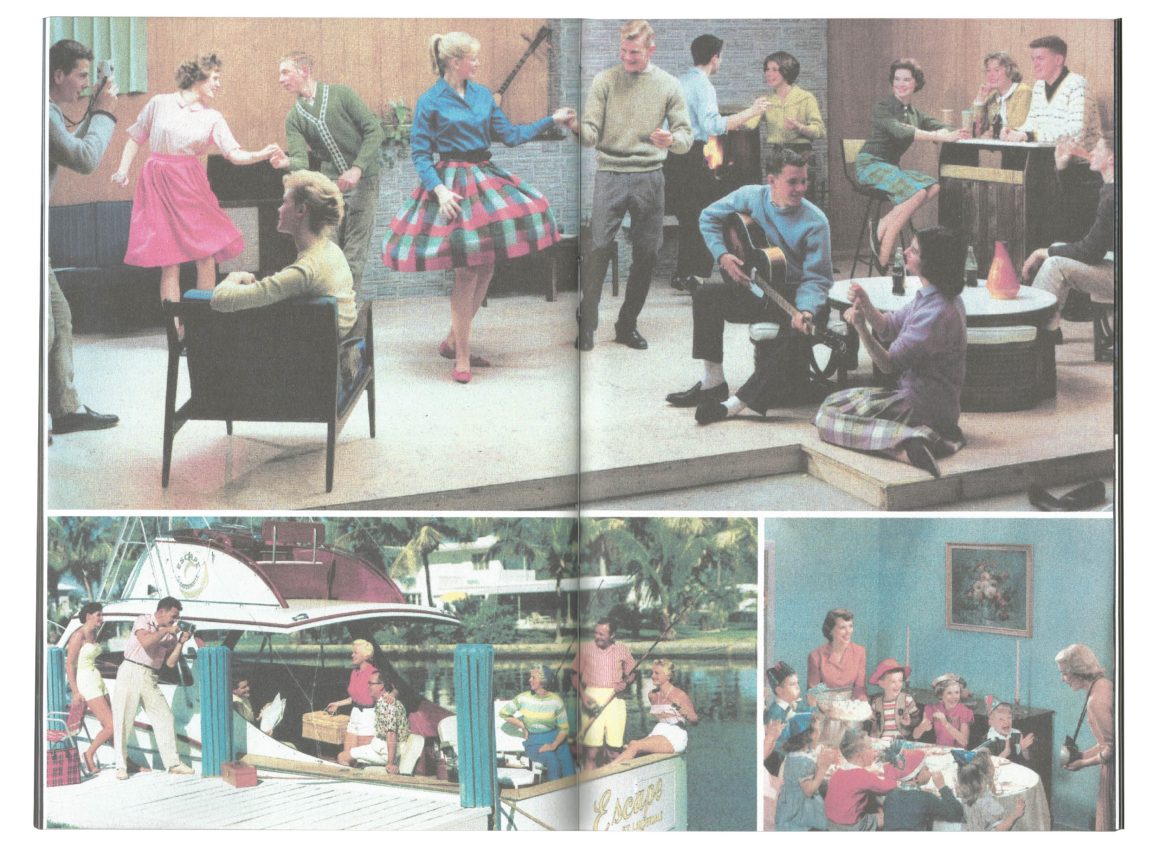
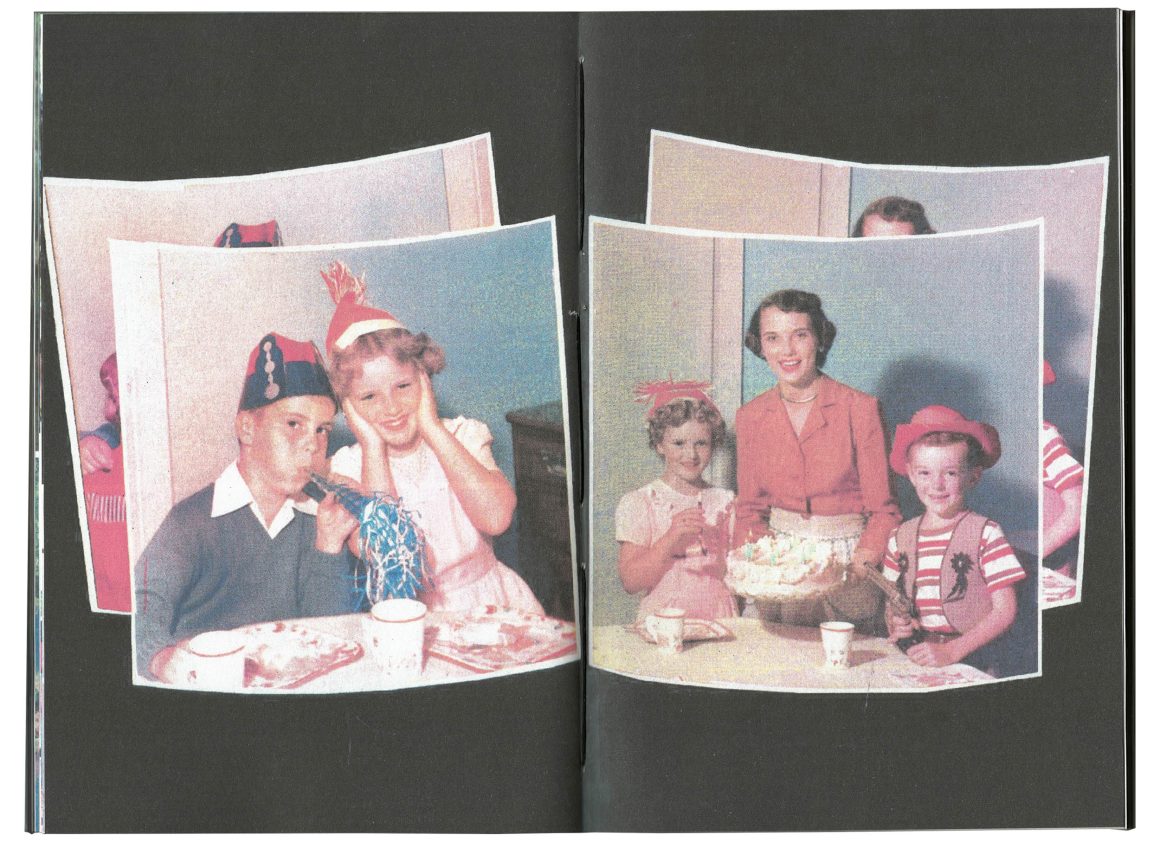
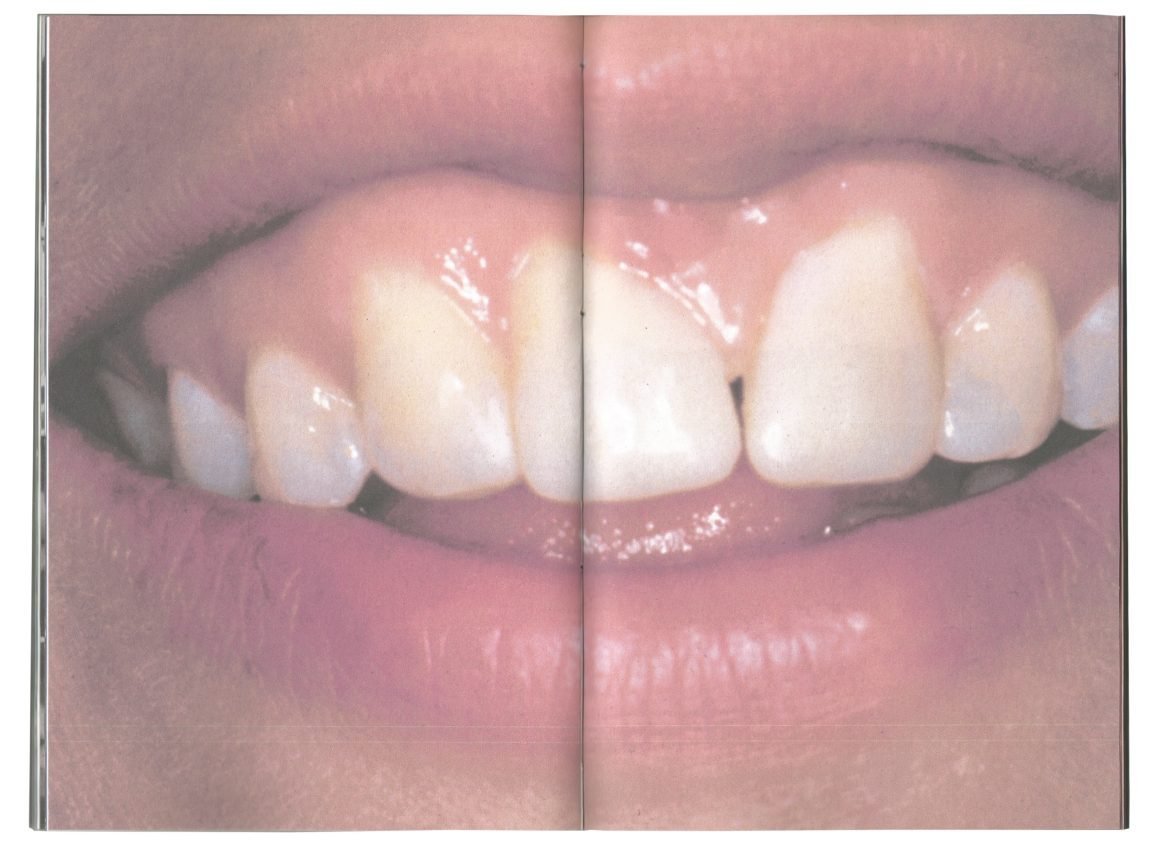
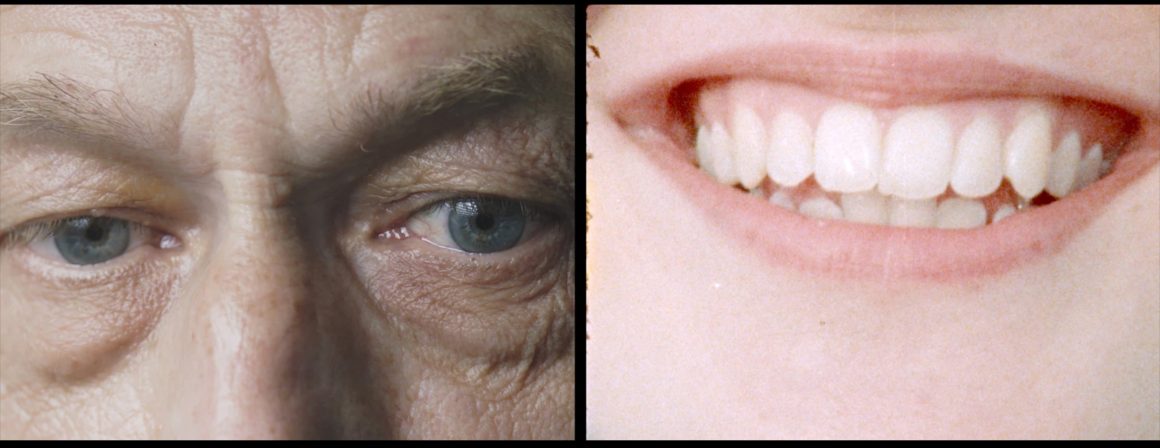
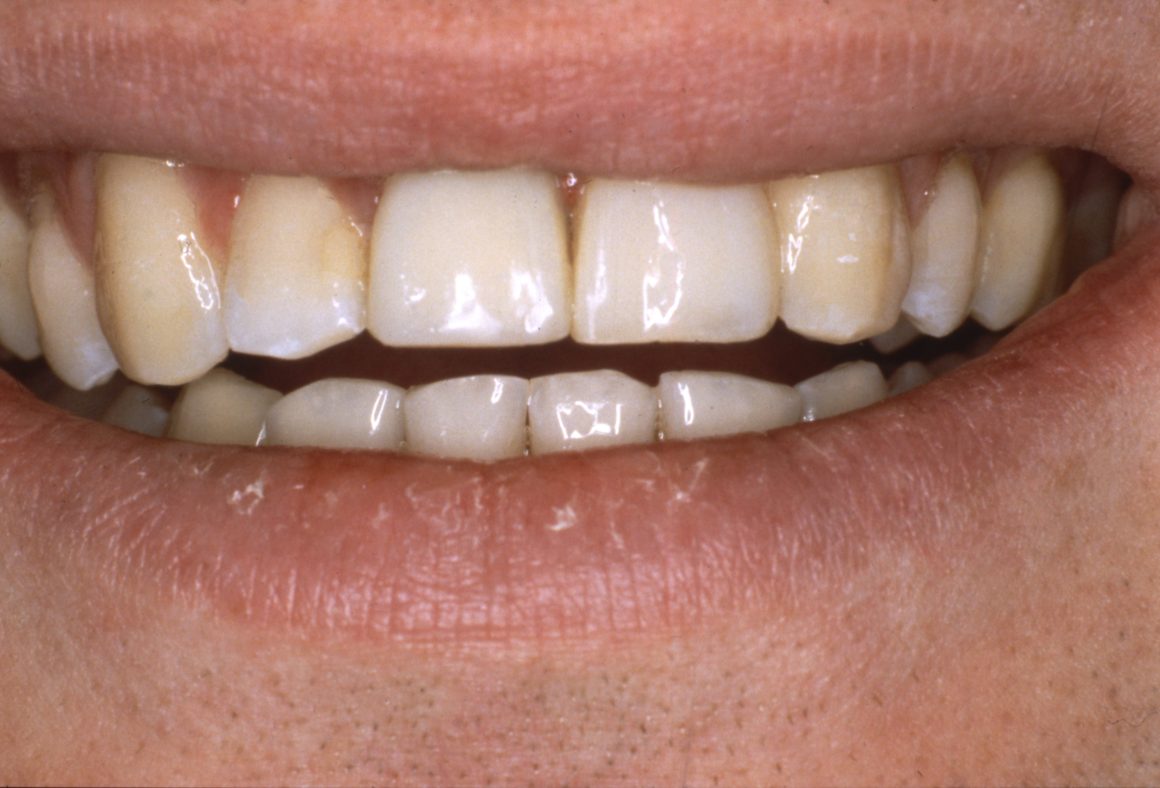
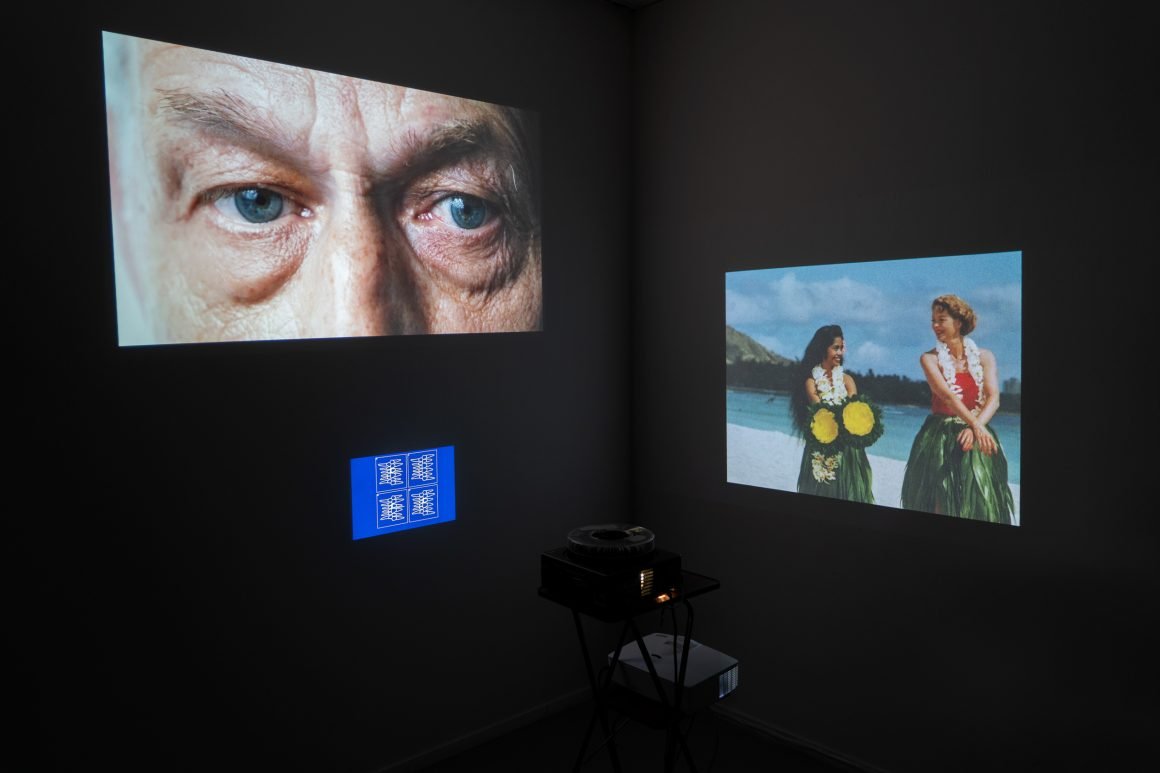
In the multi-channel video installation, which together with a printed publication makes up the project, I tried to translate this scientific practice into an artistic language. The installation uses the visual language of forensics while combining it with the nostalgia of Kodak film. It brings together several elements. Kodak Super 8mm footage of strangers I met on the street smiling, a high-resolution re-staged interview with a forensic odontologist focusing only on his mouth so that the teeth are in view, evoking the clarity and precision vital to the forensic process, and a Kodak carousel projecting 35mm dental slides. The carousel, with its iconic click and clack and its warm orange glow, embodies the pre-digital nostalgia of a Kodak world while simultaneously presenting the forensic information used in the field. I really wanted to evoke this tension between nostalgia (which functions as a warm lens to misremember the past) and forensics (a practice deeply invested in reconstructing the past accurately) in the video installation as well as the publication.
(GDG): Kodak Knows No Dark Days shows photography being an act of restoration of the images: only if the dental structure of the body matches with the smile depicted in the (family archive) photograph, then the missing person gains an identity. From here, the profession of the odontologist evolves with the technologies surrounding the photograph. How would you imagine nowadays-photography being utilized in the identification of unidentified bodies?
(XK): For my project, I interviewed a leading forensic odontologist who specializes in forensic identification using selfie-photographs. This interview became a central cornerstone of my research. In our conversation, he explained that traditionally, family photographs were used to compare smiles with dental records. If the dental structures in the photograph matched the teeth of the body, the missing person could be positively identified. Today, selfies are becoming increasingly important because they provide a close-up view of the smile, capturing dental structures in detail and allowing for more precise and reliable identification.
I found it fascinating how the broader shift in domestic photography, from mainly taking pictures of friends and family to mainly photographing ourselves, has unintentionally created a wealth of useful information for forensic odontologists. Selfies, which are often created for personal or social purposes, now serve as highly detailed records of dental structures, inadvertently aiding the identification process in ways no one originally intended.
I was also fascinated by the use of staging in his field. In contemporary photography, we often talk about the theatrical turn, where staging is used as an artistic strategy for self-reflection. Historically, it arises from photography’s often talked about troubled relationship with the notion of truth, deliberately resisting the “authentic moment” to draw attention to the act of staging itself. In forensic odontology, staging is equally important, but its purpose is to uncover a forensic truth. The process of smile identification relies on a method called superimposition. This involves carefully positioning the body to replicate the angle, head rotation, and other details of the original photograph of the person smiling. The odontologist then overlays the original image with the photograph of the body to determine whether the dental structures match. Precise positioning is critical because even small differences in perspective or posture can prevent a conclusive identification. In this way, the meticulous restaging of the body transforms a photograph into a forensic tool that restores identity to the missing person.
(GDG): Smile reveals the only part of the skeleton while we are alive. Looking at this project made me consider that our smiles are the reflection of our position in the social pyramid, as the interdependence between socio-economic status and ease of access to dental care within inclusive healthcare systems are strictly linked. Does identity become something we “are” or something we “buy”?
(XK): As you mentioned, my project centers around the idea that the smile reveals the only part of the skeleton while we are alive. And it is also true, as you say, that smiles and our skeletons are shaped by political forces such as class. In my publication, I discuss the case of a missing man with a missing tooth who was identified using the process of forensic odontology and, the fact that his tooth was never replaced, suggested how economic inequality literally inscribes itself into the body.
Dental structures carry the traces of life shaped by socio-economic conditions. Overbites, gaps, missing teeth, or untreated decay are often linked to limited access to care and they contribute to the unique configurations that forensic odontologists rely on for identification. When dental records are unavailable, photographed smiles become crucial evidence. This suggests that the use of smile photographs is more likely to be applied to economically disadvantaged bodies.
In life, poor oral health can affect the way people smile. Surveys show that many low-income adults avoid smiling because of shame around their teeth. In death, however, those same smiles captured in photographs become central to restoring identity. The photograph allows the body to regain a name and a history, transforming what once might have been a mark of social inequality into a tool for recognition. In this sense, the smile exists at the intersection of biology, biography, and class, revealing how social structures are inscribed into our bodies even after death.
(GDG):It was Kodak who taught us how to smile for the camera, erasing pain from our family archives. Specifically in your work, it is graspable how tenderness (the joyful images ante-mortem from the family archive) is closely embedded with a sense of unease (their analytic post-mortem use). Is there something you hope viewers reconsider about our conception of a human smile when encountering this work?
(XK): In my project, I link Kodak, the smile, and death by thinking about how the company shaped the way we photograph ourselves and others. As discussed in my video-installation and printed publication, Kodak taught us to smile for the camera, to capture joy and preserve family memories, often erasing moments of pain or loss. Those same smiles, frozen on the nostalgic warmth of Kodachrome film, tragically become crucial pieces of evidence for forensic identification.
By connecting Kodak, death, and the smile, I hope viewers reconsider the ethical and emotional weight of the human smile. In my work, the photographed smile becomes the vital tool that allows the forensic odontologist to give a name back to someone who was once anonymous. There is tenderness in the smile itself, in the moments it captures in life, and there is unease in the way it is used post-mortem to reconstruct identity.
For me, the work of the forensic odontologist reflects a profound moral responsibility. Their gaze, while clinical, is ultimately a caring gaze on a body that wishes to be named. It is an act of care for the dead, ensuring they are no longer anonymous, and for the living, allowing families to grieve and find closure. The smile is what bridges these worlds. It carries the traces of life, identity, and biography, and it enables the restoration of dignity. In this sense, the smile is never just a social gesture or a sign of happiness. It is a site where life, memory, politics, and mortality intersect.
(GDG): Are you working on any other projects at the moment, or do you have anything coming up in the near future?
(XK): Currently, I am preparing to exhibit my project The Atoms in Sinatra’s Corpse at the Mondriaan Prospect show in a few months and I actually see this project as a kind of prequel to Kodak Knows No Dark Days, as it grew out of the research I began there.
In The Atoms in Sinatra’s Corpse, I explore a story linked to Frank Sinatra’s song My Way, long the most popular funeral song in Western Europe. The series examines autonomy and isolation through the lens of the man in Rotterdam I mentioned before who lay dead and undiscovered in his apartment for two and a half years. At his funeral, My Way was played, a triumphant anthem of self-reliance and life lived on one’s own terms. The contrast between the song’s celebration of autonomy and the man’s unnoticed death became the conceptual core of the series, reflecting broader social shifts toward individualized, secular rituals and the loneliness of atomized modern life.
After this project is completed, however, I am really looking forward to photographing in a less conceptually driven way and with less heavy themes, reembracing what drew me to photography in the first place: the serendipitous, free-flowing experience of going out into the world with a camera. First you shoot, and the concept assembles itself later.